
Shaping The Future Of Industry By Expanding Opportunities For Women In Manufacturing 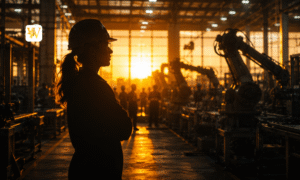
Factories today look nothing like they did even a decade ago – tech moves fast, machines talk to each other, and green thinking shapes decisions. With smart systems spreading across production lines, fresh minds are needed now more than ever. Once seen as places only for men, these industrial settings are shifting. Balance matters, especially when survival means adapting quickly. When women step fully into manufacturing roles, businesses gain sharper edges – not because it’s fair, though it is, but because variety fuels better results. Ignoring half the population limits what any company can do. New times call for broader voices, not echoes of old patterns. Strength shows up where inclusion leads.
Even though mixed teams boost economies, men still dominate industry jobs. Closing that divide could open doors to skilled workers the world needs. Firms that actively bring women into factory roles often find smoother operations, new ideas in creating goods, along with better workplace moods. Grasping today’s industrial changes, breaking old obstacles, and growing tomorrow’s leaders make real progress possible.
Factory work changed by new technology
Factories today look nothing like they did just a generation ago, thanks to digital tools opening doors for more kinds of workers. Machines now handle grueling tasks once done by hand, shifting focus toward precision and oversight. Instead of muscle, success leans on quick thinking, tech know-how, and working well with others during fast-moving challenges. With fewer demands for brute force, skilled female professionals are stepping into roles that rely on insight rather than sweat. As their presence grows, teamwork centers less on tradition and more on interpreting signals, fine-tuning processes, and keeping intelligent systems running smoothly.
Modern manufacturing facilities are cleaner, safer, and heavily reliant on STEM disciplines, creating a perfect entry point for skilled female professionals who excel in science, technology, engineering, and mathematics. From managing complex supply chains with machine learning to designing sustainable consumer goods, female engineers and data analysts are proving indispensable. The visibility of women in manufacturing at the operational level also dismantles old stereotypes, showing younger generations that an industrial career can be intellectually stimulating, financially rewarding, and creatively fulfilling.
Breaking Down Historical Barriers And Cultivating Inclusive Cultures
To fully capitalize on this diverse talent pool, industrial organizations must actively address the structural and cultural barriers that have historically discouraged female applicants. Many facilities still lack basic inclusive infrastructure, ranging from properly fitting personal protective equipment designed for diverse body types to flexible scheduling options that accommodate caregiving responsibilities. When organizations proactively design a supportive workplace, they significantly improve their ability to attract women in manufacturing, creating an environment where everyone can perform at their highest level.
Beyond physical infrastructure, building an inclusive workplace culture requires continuous effort from corporate executives and floor managers alike. Eliminating unconscious bias in hiring practices, ensuring equal pay for equal work, and creating clear pathways for career progression are vital components of a modern talent strategy. Companies that establish internal employee resource groups and structured mentorship programs find that their retention rates improve dramatically. By creating a transparent and supportive corporate ecosystem, the integration of women in manufacturing transitions from a temporary human resources metric into a core pillar of long-term business success.
Empowering Leadership And Inspiring The Next Generation
The journey toward gender balance does not stop at entry-level hiring; it requires a concerted effort to elevate female professionals into executive suites, boardrooms, and operational leadership positions. Having diverse viewpoints at the decision-making table ensures that a company can navigate market disruptions with greater agility and insight. Increasing the representation of women in manufacturing within corporate leadership sends a powerful message throughout the organization, proving that dedication and technical excellence can lead to top-tier career advancement.
Furthermore, female executives and plant managers serve as vital role models for young students who are considering their future educational and career paths. Educational outreach programs, high school internships, and technical college partnerships are highly effective tools for introducing young girls to industrial careers early in life. When young women see successful examples of women in manufacturing leading major industrial projects, they are far more likely to pursue engineering and technical degrees, ensuring a steady pipeline of capable talent for decades to come.
Driving Financial Growth And Long-Term Industrial Sustainability
A wealth of global economic research confirms that organizations with gender-diverse leadership and balanced workforces consistently outperform their less diverse competitors in profitability and innovation. Diversity of thought drives creative problem-solving, which is essential for optimizing complex supply chains and reducing production waste. The growing influence of women in manufacturing is directly linked to enhanced operational resilience, as companies with inclusive cultures are better equipped to adapt to changing market dynamics and consumer preferences.
As industrial sectors continue to prioritize environmental sustainability and digital transformation, the need for creative and collaborative leadership will only expand. Investing in female talent helps solve the looming global skills gap while driving the industry toward a smarter, cleaner future. Ultimately, supporting the growth of women in manufacturing is a powerful catalyst for economic prosperity, turning traditional factories into dynamic centers of modern innovation.