
The Ultimate Guide to Finding the Perfect Posture Corrector for Women 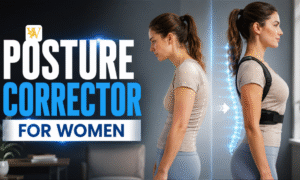
Modern life has left many of us hunched over screens, leading to a noticeable slouch that impacts both health and confidence. It is no surprise that an increasing number of individuals are looking for a reliable posture corrector for women to help realign their spine. Bad habits develop quickly when you spend hours sitting at a desk or staring down at a smartphone. Over time, this rounded-shoulder position causes tight chest muscles and weakened upper back muscles. Investing in a dedicated posture corrector for women can act as a gentle physical reminder to pull your shoulders back and sit up straight.
Picking helpful gear means learning how gadgets meet your body’s needs. Not meant to replace muscle effort, good posture wear teaches awareness of balanced positioning instead. With spine aligned, breathing opens up, food moves better through gut, pressure behind eyes tends to loosen. Adding one of these supports to everyday habits fights harm built slowly from too much sitting time. Figuring out which option fits life best makes all the difference down the road.
Spinal Alignment and Its Physical Effects
Most people feel a soft push backward when they start using a posture corrector designed for women. It holds the collarbones steady while guiding the shoulders to sit naturally. Right away some users discover less tightness across the upper back since tired muscles get a break. Leaning forward forces the neck to struggle supporting the head, sparking stress that moves down the spine. Support arrives gradually through even balance shared between the center body and rear. After time, standing straight feels more ordinary than forced.
Beyond physical comfort, there is a profound psychological benefit to standing tall and reclaiming your full height. Wearing a discreet posture corrector for women under your clothing can instantly boost your confidence by altering your physical presence. Research in body language suggests that upright body positioning lowers cortisol levels and increases feelings of empowerment. Therefore, a modern posture corrector for women serves a dual purpose by enhancing your physical health while simultaneously elevating your mental outlook and daily confidence.
Selecting the Right Style for Your Daily Lifestyle
The market offers a wide variety of designs, making it essential to match the product to your specific daily habits. A minimalist posture corrector for women usually features thin, breathable straps that fit seamlessly underneath blouses or dresses without adding bulk. If you plan to wear your support during workouts, look for a posture corrector for women crafted from moisture-wicking, flexible neoprene fabrics. The goal is to find a balance between firm structural support and enough comfort to allow for natural movement throughout the day.
Adjustability is another critical factor to consider when searching for your ideal fit. A high-quality posture corrector for women should feature robust velcro straps that let you customize the tension as your body adjusts. It is vital to remember that tighter is not always better when it comes to spinal alignment. A posture corrector for women should never pinch your underarms, restrict your breathing, or cut off your blood circulation. Instead, it should provide a firm, supportive hug that gently guides your shoulders backward whenever you begin to mindfully slump forward.
How to Integrate a Brace Safely Into Your Routine
Consistency is the secret to rewriting your muscle memory, but you must avoid over-relying on external support. If you wear a posture corrector for women for eight hours straight on your very first day, your muscles will likely become fatigued and sore. Experts recommend starting with just twenty to thirty minutes of wear during your most sedentary periods, such as when typing at your computer. Gradually increase this duration as your natural back and core muscles grow stronger and become more accustomed to the correct alignment.
To maximize your results, combine the use of your brace with targeted strengthening and flexibility exercises. Use the posture corrector for women as a diagnostic tool to identify which of your muscles are tight and which ones are weak. While the brace handles the structural reminders, you should practice chest-opening stretches and upper-back strengthening movements like rows or reverse flies. Over time, you will find that you need the posture corrector for women less frequently because your body has naturally adopted its new, healthy alignment.