
US Short Course Trials: Berkoff, Douglass Set World Records
Summary
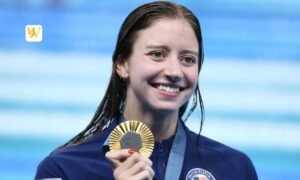
Two world records fell on the second night of the US Short Course Trials in Westmont, Illinois. Katharine Berkoff won the 50 backstroke, and Kate Douglass matched Gretchen Walsh’s mark in the 50 freestyle. Walsh and Regan Smith also earned places on the team for the world championships in Beijing.
Key Highlights
- Berkoff won the 50 back in 25.21, a world record by two hundredths.
- Douglass swam 22.75 in the 50 free to equal Walsh’s world record.
- Douglass also won the 200 breaststroke in 2:14.12, the fifth-fastest ever.
- Smith won the 200 butterfly; Claire Weinstein won the 400 free.
What Happened?
At the US Short Course Trials on Thursday, Berkoff beat Smith’s previous mark in the 50 back, with Claire Curzan second in 25.26. Minutes after winning the 200 breaststroke by 4.64 seconds, Douglass came back for the 50 free and tied Walsh’s record. Walsh was second in that race and later won the 100 individual medley.
Why is it Important?
The meet picks the US team for December’s Short Course World Championships. Walsh won seven gold medals at the last edition two years ago, and Douglass has dominated the 200 breaststroke at world level, including Olympic gold in Paris. Two world records in one session is rare at a selection meet.
Impact and Implications
Douglass owns the five fastest 200 breaststroke swims in history, so her winning time went unmatched at this meet. Alex Walsh was second in 2:18.76 and joined her on the team. In the 400 free, Weinstein edged Cal teammate Rylee Erisman, 4:00.18 to 4:00.25, and both qualified. It is Erisman’s first senior global team, and Weinstein returns after illness forced her out of this summer’s Pan Pacs. Smith overtook Alex Shackell in the final 25 meters to win the 200 fly.
What Happens Next?
The US team now turns to the world championships in Beijing in December. The trials continue, and more qualifiers will be named.