
Rise of Women Entrepreneurs and the Startup Ecosystem
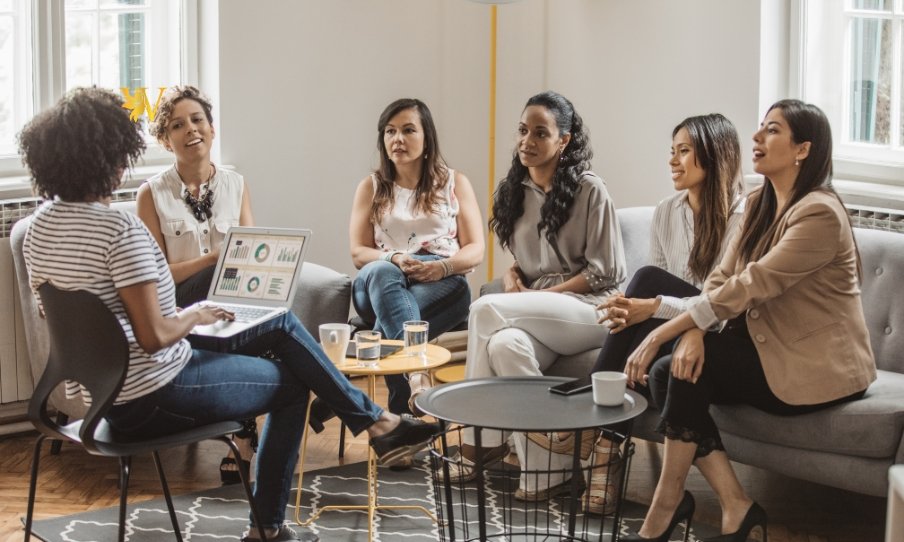
Across regions and sectors, women are changing the face of entrepreneurship. The rise of women entrepreneurship is no longer a quiet revolution. More women are starting companies, taking up leadership in technology ventures, and creating business models that are viable and profitable. In markets like India, the discussion around women startups India 2025 is indicative of how women founders have become the core of the next wave of innovation and job creation.
The gender-based transformation in the entrepreneurial landscape is not limited to the urban centers anymore. A different story of rural women business trends is emerging due to the changing access to capital, education, and digital tools, thus redefining the locations of entrepreneurship and the gender of its leaders.
This article delves into the importance of women’s entrepreneurship, factors that contributed to its rise, difficulties that women founders are still encountering, and how the startup ecosystem in India and worldwide is changing.
Why Women Entrepreneurs Are Critical to Economic Growth
Entrepreneurship is the main driver of new jobs, higher productivity and sustained economic resilience. If women are involved on a large scale, the advantage gets bigger and more inclusive. In India, about 20.37% of businesses are women-owned, and women account for over 23 percent of the labor force in MSMEs. Such figures highlight the economic influence of women entrepreneurship growth, instead of merely positioning it as a social initiative.
On a global scale, women are currently approximately one out of three entrepreneurs in established businesses. India is gradually following the same path, being facilitated by policy frameworks and increasing market access.
Startup Ecosystem Growth: India at the Forefront
India’s startup ecosystem has grown very fast during the last ten years. There are expected to be over 200,000 startups recognized under the Startup India initiative by 2025. Almost half of these startups have at least one woman director or partner, which, therefore, makes women startups India 2025 a very significant point of reference for both the level of inclusion and the size.
The growth is getting spread out as well. New ecosystems in Uttar Pradesh, Rajasthan, and small cities apart from Bengaluru, Delhi, and Mumbai are, thus, becoming the way for the new founders. These areas, among other things, present rural women business trends where entrepreneurship, as the lead sector, is combined with agriculture, handicrafts, food processing, and local services.
Women, likewise, play the leading roles in the Direct to Consumer sectors like fashion, personal care, and food and beverages. In a considerable number of these sectors, women founders who know the customers have more than half of the new ventures which they combine with their leadership in operations.
Stories That Inspire: Female Founders Making an Impact
Role models play a powerful role in shaping entrepreneurial ambition.
- Falguni Nayar built Nykaa from a startup into a publicly listed beauty and lifestyle platform.
- Kiran Mazumdar Shaw founded Biocon and placed India firmly on the global biotech map.
- Vani Kola has shaped the funding ecosystem by backing early stage companies and advocating for more women founders.
These stories matter because they demonstrate what sustained women entrepreneurship growth looks like in practice, especially in sectors once dominated by men.
Key Factors Behind the Rise of Women Entrepreneurs
Several factors are leading to the rapid increase of female entrepreneurs.
- Government Support and Startup Initiatives: Women founders can get advice, money, and support from the environment through the specially designed policies under Startup India.
- Education and Social Change: The increased enrollment and completion of higher education and professional courses by women have resulted in the rise of female leadership in the knowledge-driven sectors.
- Digital Platforms and Market Access: The use of e-commerce, digital payments, and social commerce has made the industry more friendly towards new entrants. These are the most effective tools for rural women business trends, as they allow the founders to access the national markets without the need for a costly infrastructure.
Challenges That Still Persist
Though we can see some progress, there are still structural problems that hinder the way.
- Funding Gaps: The share of venture capital that women led startups receive is still just a fraction of the total. In India, there are more than 7,000 women led startups with substantial growth potential. However, the large-scale funding that is necessary for these startups is still accessible to only a few.
- Structural Barriers: Even after all the changes, cultural expectations that limit women’s rights to own assets, and the fact that women participate less in the workforce, are factors that still influence not only the continuity of businesses but also their growth.
- Scaling Constraints: The majority of women founders have small businesses or are engaged in the informal sector. To be able to scale small businesses into ventures that can grow rapidly, one often needs the guidance of a specialized mentor as well as the opportunity to be exposed to the global market, both of which are still at the nascent stage.
Ecosystem Support: Investors, Incubators, and Networks
A healthy startup ecosystem depends on coordinated support. Investors, incubators, accelerators, and policy institutions are increasingly aligning their efforts around women founders.
Dedicated funding programs, women focused accelerators, and peer networks are helping founders refine business models and access markets. These efforts are critical to sustaining women startups India 2025 beyond early stage participation and into long term scale.
Future Outlook: What Comes Next
Women entrepreneurs are predicted to dominate the scene even more over the next ten years. Research indicates that by 2030, enterprises headed by women might create from 150 million to 170 million new jobs worldwide. Such a forecast underlines the sizable economic implications of female entrepreneurship expansion instead of presenting it as a minor phenomenon.
Women will keep making strides only if they can continually get financing, have better networking opportunities, improve their skills, and enjoy stable government support. When the business situation of rural women becomes mature, they will also be able to make a great contribution to local employment and the economy of their regions.
Conclusion
The increase of women entrepreneurs is indicative of the fundamental change in the manner businesses are started and scaled. Women are at the forefront of innovation, making new jobs, and being the major drivers of the next sectors in both urban and rural markets.
The momentum around women startups India 2025 reflects both progress made and potential ahead. With sustained ecosystem support, women entrepreneurship growth will continue to redefine economic participation and opportunity.
Women founders are no longer a marginal presence in the startup narrative. They are decisively the ones to shape its following chapter.