
Gender Equality in the Workplace: Building Inclusive and Sustainable Organizations 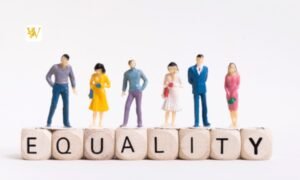
In the modern global society, firms can no longer be restricted according to geographic lines. Technology, communication, and transportation have made organizations to conduct their businesses across continents and attend to customers globally. Consequently, the global business has emerged as an effective source of economic growth, innovations, and international cooperation.
Moving out of the domestic markets provides the companies with access to new customers, talent pools, and additional sources of investments. Nonetheless, global operations are also associated with challenges that need strategic planning, cultural awareness, and knowledge of regulations. Balancing between the global ambitions and the regional realities, organizations have to manage cross-border operations and adapt to the local market conditions. The Rise of Global Expansion Globalization and the accelerating integration of world economies are the factors that have contributed to the development of multinational business to a large extent.
Companies can now source raw materials in one country, produce them in another and carry them to the end consumers in different territories. This inter-relational model enables businesses to save money and enhance business efficiency. Global expansion is one of the aspects that many organizations seek to do to diversify their income sources and avoid relying on a single market. In case of an economic slump in one region, the entire business can be stabilized through the operations in the other markets. Moreover, going international will enable organizations to tap into new market potentials that are currently experiencing high rates of demand of new products and services.
Barriers That Continue to Affect Professional Growth
Despite progress, several barriers still prevent many organizations from achieving full gender balance. These challenges include unequal pay, limited access to leadership positions, and unconscious bias in hiring or promotions. Even in industries that claim to support diversity, subtle structural obstacles may still influence career advancement.
One common issue is the leadership gap. Many organizations have large numbers of women in entry or mid-level roles but far fewer in executive positions. This imbalance often results from historical workplace structures, limited mentorship opportunities, and work-life expectations that disproportionately affect women.
Addressing these challenges requires organizations to actively examine their policies and decision-making processes. Companies must evaluate compensation structures, promotion pathways, and leadership development programs to ensure fairness. Achieving gender equality in the workplace requires consistent commitment from leadership as well as transparency in performance evaluation and career advancement opportunities.
Organizational Strategies for Promoting Equality
Companies seeking meaningful change must move beyond symbolic initiatives and focus on practical strategies that encourage equality at every level. Establishing clear policies related to hiring, compensation, and promotions can help eliminate structural barriers that limit opportunities.
One effective approach involves leadership accountability. Senior executives and managers play a critical role in setting expectations and shaping workplace culture. When leadership openly supports fairness and inclusivity, employees are more likely to embrace these values.
Training programs can also help organizations address unconscious bias and promote inclusive decision-making. Workshops that focus on diversity awareness and fair evaluation practices can help managers recognize patterns that may unintentionally disadvantage certain groups.
Mentorship and sponsorship programs are another powerful tool. Providing structured guidance and support helps employees develop leadership skills and gain confidence in their professional growth. Organizations that invest in mentorship initiatives often see stronger employee engagement and better career advancement outcomes.
Flexible work policies also contribute to equality. Remote work options, parental leave programs, and balanced work-life practices allow employees to manage professional responsibilities alongside personal commitments. By supporting these initiatives, organizations create environments where individuals can succeed without sacrificing their well-being.
The Long-Term Benefits of Workplace Equality
The impact of gender equality in the workplace extends beyond individual careers. Organizations that successfully build inclusive cultures often experience improved innovation, stronger employee satisfaction, and higher productivity. Diverse teams bring broader insights into market trends, customer behavior, and emerging opportunities.
Equality also strengthens organizational resilience. When employees from different backgrounds contribute ideas and perspectives, companies are better equipped to adapt to changing market conditions. Inclusive environments encourage collaboration and mutual respect, which helps teams respond effectively to challenges.
From a financial perspective, numerous studies have shown that companies with diverse leadership teams often outperform those with limited representation. Balanced decision-making leads to better risk assessment, more thoughtful strategies, and stronger stakeholder trust.
Furthermore, promoting equality sends a powerful message to society. Businesses influence cultural attitudes, and organizations that demonstrate fairness and respect contribute to broader social progress. As more companies commit to inclusive practices, professional environments gradually become more equitable for future generations.
Moving Toward a Fairer Professional Future
Achieving gender equality in the workplace is not a one-time initiative but an ongoing process that requires commitment, awareness, and accountability. Organizations must continuously review policies, measure progress, and adapt strategies to ensure fairness across all levels of employment.
The modern workplace is evolving rapidly, shaped by technology, globalization, and changing workforce expectations. In this dynamic environment, equality is not just a moral objective but a strategic advantage. Companies that invest in inclusive practices create stronger teams, foster innovation, and build lasting trust with employees and stakeholders.
As businesses look toward the future, fostering gender equality in the workplace will remain essential for sustainable growth and meaningful organizational success. By embracing fairness, transparency, and opportunity for all, companies can create environments where every individual has the chance to thrive and contribute fully to shared goals.