
Strategies for Advancing Women in Peacebuilding Leadership Within Global Conflict Zones
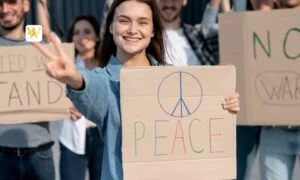
Peace looks different now, because people see that true safety needs everyone at the table, especially those hit hardest by conflict. Not long ago, talks about ending wars were filled with men who fought them, while women holding families together stayed out of view. Now things shift – women lead more often in shaping truces, their presence seen not as token inclusion but essential groundwork. When they step past appearances into real power, choices change, priorities reshape themselves quietly but firmly. Security grows stronger when built on lived experience, not just battlefield logic handed down through years. Their role answers deeper problems feeding endless fights, not only balancing numbers for show.
Rethinking Safety with Shared Decision Making
Talk about women stepping into peace leadership? That shifts everything – security stops being just about weapons and borders. Most old-school efforts chase what they call “negative peace.” Think silence after gunfire ends, or ink drying on truce papers. Women shaping talks though – they push something deeper: “positive peace.” Justice matters here. So does fair pay, so does neighbors trusting each other again. Safety gets measured by whether people eat, heal, speak up – not who holds ground. Their plans stick because they fix roots, not symptoms. Wars rarely return when dignity grows back.
Grassroots Impact and Cross-Border Collaboration
The effectiveness of women in peacebuilding leadership is most visible at the local level, where female mediators often bridge the gap between divided factions. Because women frequently operate within informal social networks, they possess unique access to community dynamics that formal diplomats might overlook. In many conflict zones, women-led organizations have successfully negotiated local truces, facilitated the return of displaced persons, and managed the distribution of resources in ways that minimize tension. These grassroots efforts demonstrate that leadership does not always start at a high-level summit; it often begins in the streets and villages where the immediate consequences of conflict are most felt. This ground-up influence eventually forces national and international bodies to acknowledge the indispensable role of female perspectives.
Overcoming Structural Barriers to Influence
Despite the proven benefits, the journey for women in peacebuilding leadership remains fraught with significant institutional hurdles. Many peace tables remain exclusive clubs where entry is dictated by military rank or historical political standing, areas where women have been systematically excluded. Furthermore, cultural biases often relegate women to “soft” issues like humanitarian aid while excluding them from “hard” discussions regarding border security or constitutional reform. To dismantle these barriers, international organizations must move toward mandatory inclusion quotas and dedicated funding for women-led initiatives. True progress occurs when women are not just invited to the room to listen, but are given the gavel to preside over the conversation and the authority to sign the treaties.
The Correlation Between Equality and Longevity
Statistical evidence suggests that peace agreements are significantly more likely to last at least fifteen years when women are involved in the drafting process. This longevity is attributed to the fact that women in peacebuilding leadership often champion the inclusion of marginalized groups, ensuring that the final agreement has broader public buy-in. When a peace process is seen as inclusive of the entire society, it gains a level of legitimacy that elite-driven deals lack. This inclusive focus creates a social fabric that is more resilient to the pressures of extremist ideologies or political polarization. As more nations adopt feminist foreign policies, the global community is slowly realizing that the presence of women in peacebuilding leadership is the strongest predictor of a country’s future peacefulness.
Sustaining the Momentum of Change
As the international community looks toward future challenges, the role of women in peacebuilding leadership must be protected and expanded. This involves mentoring the next generation of female diplomats and ensuring that they have the digital and logistical tools necessary to operate in increasingly complex geopolitical landscapes. Education and legal protection are also critical, as women in these roles often face unique security risks and personal threats. By fostering an environment where women in peacebuilding leadership can thrive without fear, the world invests in a safer and more equitable future. The transition from conflict to cooperation is a long journey, but it is one that is far more likely to succeed when women are at the helm.
Looking Toward a Resilient Future
The evolution of global stability depends on our ability to integrate diverse viewpoints into the architecture of peace. As we continue to see the positive outcomes associated with women in peacebuilding leadership, the argument for their inclusion moves from an ethical plea to a strategic mandate. By valuing the collaborative and comprehensive methods that women bring to the negotiation table, we move closer to a world where conflict is resolved through dialogue rather than destruction. The strength of a peace agreement is measured by its ability to protect the most vulnerable, and there are no better architects for such a system than those who have led the charge for community resilience. Supporting women in peacebuilding leadership is, ultimately, an investment in the survival and prosperity of humanity as a whole.