
Leadership Lessons from Global Humanitarian Leaders
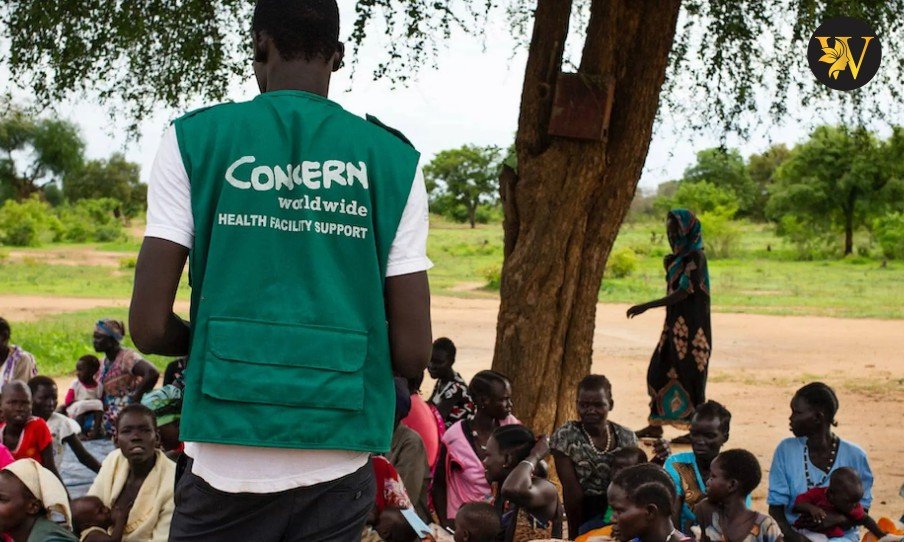
Global humanitarian leaders experience circumstances that most people don’t even begin to understand – wars, natural disasters, disease pandemics, and mass displacement. The United Nations estimated that in 2022, more than 100 million people needed humanitarian assistance to meet a minimum, life-sustaining standard for food, water, shelter, and medicine. Leading in those environments requires more than the ability to manage situations. It takes vision, bravery, compassion, and flexibility. Understanding humanitarian leaders can be leveraged by anyone in leadership to advance their impact and influence as a leader.
Humanitarian leaders usually have limited resources to address these struggles, an audience that scrutinizes them, and a high stakes context. The margin for judgement errors is small, and those judgements, whether they turn out to be highly visible or not, can have horrific implications. The ability to muster up the courage to make challenging decisions, enlist followers and coworkers for that matter, take accurate action and be trustworthy to themselves and others, all provide useful evidence for leaders operating across sectors. Engaging these leaders reveals commonalties of thinking, behavior, and action that can be adopted by anyone.
Vision and Purpose: Lessons from Humanitarian Leaders
The defining quality of global humanitarian leaders is a definite sense of purpose. The example of José Ramos-Horta, Nobel Laureate and former President of Timor-Leste, and his life-building work with refugees exhibits the power of vision. Leaders like him have an unconscious clarity of mission that governs their decisions. Their communications regarding success are framed around human outcomes and impact, not profits or awards.
This moment is applicable across the leadership space. As a leader, vision anchors you in uncertain times. If I cannot provide clear communication regarding purpose as a leader, then we run the risk of misalignment, low morale, or wasted resources. As a leader I can define a concrete human or outcome-focused purpose around which others can understand why decisions are made.
Empathy as a Leadership Tool
Empathy is often diminished in traditional leadership models. Yet, within humanitarian work, empathy becomes vital. Leaders, such as Angelina Jolie, who served as a UNHCR Goodwill Ambassador, show how understanding the human experience can drive strategy. Empathy affords leaders a better ability to anticipate needs and respond effectively, while also enabling leaders to build trust with teams and beneficiaries.
For example, humanitarian leaders listen to affected populations when they are responding to a refugee crisis. Listening and being in the community ensures that programs are relevant and respectful. Empathetic leaders, in turn, inspire collaboration and loyalty. This occurs in corporate or social settings as well. All groups are more productive when team members feel heard and appreciated.
Decision-Making Under Pressure
Humanitarian crises often require swift, high-stakes decisions. In this regard, Dr. Paul Farmer, a co-founder of Partners In Health, provides a vivid example of the medical interventions he coordinated in remote areas had to be well-timed and deliberate. Leaders must be attuned to competing risks, available information, and the health and well-being of many people all at once.
What we learned in this scenario is also actionable. Leaders should cultivate a well-known set of practices when making decisions in high-pressure situations. Bringing in multiple viewpoints, weighing short- and long-term consequences, and staying calm under pressure are skills that can be universally applied. In business, this means managing pivots, crisis management, or working on strategic innovation with a demonstrable deadline.
Building Resilient Teams
Leaders in humanitarian work cannot succeed by themselves. Leaders must round-up teams that are able to work under intense stress, ambiguity, and moral dilemmas. Leaders like Malala Yousafzai through her advocacy work shows us how to develop strong resilient teams with limited resources to do so.
A resilient team shares a collective purpose and trust in their leader. Strong leaders, invest in their team’s, provide roles awareness, and encourage team morale when it is most needed under exceptional circumstances. It is now clear what all leaders should do, hire for value alignment, build team cohesion, and engage individuals to lead when able across a team.
Ethical Leadership and Integrity
Integrity forms the backbone of humanitarian leadership. Leaders operate under scrutiny, and any compromise can have severe consequences. Leaders like Kofi Annan, former UN Secretary-General, exemplify ethical conduct while negotiating complex international crises. Their actions show that credibility is built over time and lost quickly through misjudgment.
Ethical leadership is relevant in all contexts. Decisions made with transparency and fairness build trust with employees, stakeholders, and communities. Integrity also influences organizational culture, guiding how teams interact and execute their missions.
Communication: Clarity in Chaos
Effective communication is another hallmark of humanitarian leaders. In crises, misinformation spreads rapidly, and confusion can worsen conditions. Leaders like Ban Ki-moon emphasize concise, clear messaging to ensure teams understand priorities and resources are allocated efficiently.
This lesson applies beyond humanitarian work. Leaders who communicate clearly, consistently, and authentically reduce friction and improve execution. Sharing the rationale behind decisions and listening actively to feedback ensures alignment and prevents misunderstandings.
Adapting to Change and Complexity
Humanitarian leaders navigate unpredictable environments. Epidemics, floods, or conflicts rarely follow schedules. Leaders like Dr. Gro Harlem Brundtland, former Director-General of the World Health Organization, highlight adaptability in action. Their ability to pivot, redesign interventions, and anticipate emerging challenges ensures missions succeed despite evolving conditions.
Leaders in any field face similar pressures. The ability to embrace uncertainty, make informed adjustments, and stay flexible enhances performance and resilience. Adaptive leadership allows organizations to survive disruption while seizing opportunities.
Inspiring Action Through Influence
Humanitarian leaders rely on influence rather than formal authority. Figures such as Muhammad Yunus, founder of Grameen Bank, show how vision combined with credibility can mobilize resources, volunteers, and governments. Influence emerges from expertise, authenticity, and demonstrated commitment.
This insight is crucial for leaders everywhere. Authority alone cannot inspire dedication. Influence requires understanding stakeholders, building trust, and communicating with authenticity. Leaders who inspire create lasting engagement and loyalty.
Leaving a Legacy: Beyond the Mission
The most profound lesson from humanitarian leaders is the focus on legacy. They aim to create sustainable impact, not personal recognition. Wangari Maathai, founder of the Green Belt Movement, emphasized environmental conservation and community empowerment that outlasted her direct involvement.
Legacy-oriented leadership shifts focus from short-term gains to long-term value creation. Leaders should ask how their decisions affect future generations, team growth, and societal outcomes. This perspective encourages patience, foresight, and commitment to principles.
Studying global humanitarian leaders reveals timeless lessons for anyone seeking to lead with impact. Vision and purpose anchor decisions. Empathy builds trust. Resilient teams amplify effectiveness. Integrity sustains credibility. Clear communication and adaptability enable navigation through uncertainty. Influence inspires action, and legacy guides choices toward long-term value.
Leadership is more than strategy or management. It is about connecting human needs with meaningful action. By observing the examples set by humanitarian leaders, anyone can refine their approach to challenges, make better decisions, and leave a lasting impact. The essence of their leadership lies in the relentless pursuit of human well-being and the courage to act when others hesitate.