
The Fight for Equal Pay and Woman Leadership Recognition
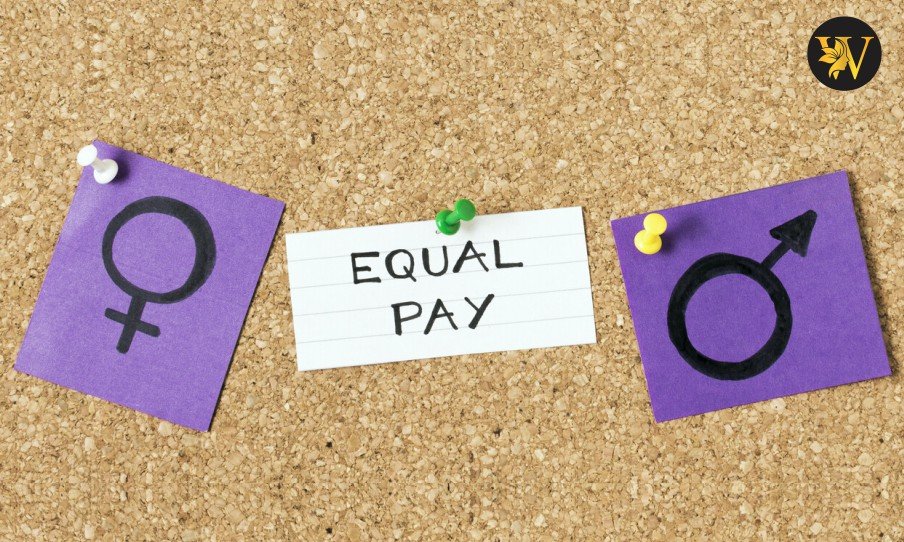
Despite years of conversation and advocacy, the gap in pay between men and women continues to persist, and women remain under-represented in senior leadership roles across the world. Research from the World Economic Forum shows that women hold around 32.2% of senior leadership positions such as director, vice president, or C-suite roles, even though they make up approximately 41.9% of the workforce in 2023.
At the same time, a survey by Checkr found that 67% of women believe they receive lower pay than their male colleagues for the same work. This difference in both perception and reality defines the ongoing challenge for equal pay and the recognition of women’s leadership.
For many professionals working in mid-to-senior roles today, the question remains: are they being paid for their value, and does the path to leadership truly recognise their potential? The following sections examine the current scenario, the barriers, real examples of progress, and the strategies that can help move forward.
The Current State of Equal Pay and Women’s Leadership Recognition
Progress has taken place, but at a slow pace. In India, research by the All India Management Association and KPMG found that 83% of organisations had more women in leadership positions in 2024 compared with the last five years. However, only half of those women said they received equal pay to their male peers. Globally, the situation remains similar. The Payscale 2025 Gender Pay Gap Report indicated that, at the executive level, women earn about 93 cents for every dollar earned by men, and the difference widens for roles that are less controlled or standardised.
This pattern reveals two things. Representation of women in leadership is growing, yet equal pay and fair recognition are still falling short. Many organisations struggle with how they define “leadership” and how compensation is assigned. According to the World Economic Forum, women’s share of senior roles is increasing by roughly one percentage point each year. The pace of this change is too slow for many.
Recognition of women’s leadership also depends on visibility, sponsorship, decision-making power, and pay. A woman may hold a leadership title but still receive lower compensation or less influence, which reduces the meaning of true recognition. The pay gap worsens the challenge. When women feel underpaid for equal work, it erodes motivation and trust. The Checkr survey reported that only 16 percent of women strongly believe their pay reflects fairness and an absence of gender bias.
The effort toward equality must therefore address all three dimensions, representation, compensation, and influence, together.
Key Barriers to Equal Pay and Women’s Leadership Recognition
There are several obstacles that continue to hold women back. The first is bias and stereotypes. The AIMA-KPMG report lists caregiving responsibilities and long work hours as major reasons women often do not progress to higher leadership roles. These factors affect promotions and succession planning.
The second barrier is weak pay transparency and limited auditing. A study by the Society for Human Resource Management (SHRM) revealed that although 75% of organisations say they audit for pay equity, only 48 percent of managers receive formal training on making fair pay decisions. Without the right training and transparency, biases continue to shape pay outcomes.
A third challenge is that representation alone does not guarantee equality. Women are sometimes promoted into positions that hold less visibility or lower compensation. In the United Kingdom, for example, boards of major companies show large pay gaps because many women serve as non-executive directors rather than full-time executives.
Career progression also tends to slow over time. According to Payscale data, women move into management and executive roles at slower rates and then face even wider pay gaps. This combination means that even when women reach senior levels, they often have less power and fewer rewards.
Addressing these issues requires a systemic approach, tackling bias, redesigning career paths, improving pay structures, and reshaping workplace culture.
Examples of Progress in Equal Pay and Women’s Leadership Recognition
There are, however, clear signs of progress. In India, the AIMA-KPMG report found that in nearly half of the organisations studied, the dropout rate of women in leadership has declined in recent years. This suggests that more companies are finding ways to retain women in senior roles that previously saw higher attrition.
Globally, some firms are taking practical steps such as conducting regular pay audits and publishing diversity and leadership data. These actions promote transparency and accountability. Others are introducing targeted mentoring and sponsorship programs designed to connect women with senior decision-makers. This helps increase visibility, builds professional networks, and strengthens women’s access to leadership pipelines.
When these opportunities are accessible, the recognition of women in leadership becomes genuine, no longer symbolic. Progress in equal pay and leadership recognition grows when organisations back their commitment to diversity with clear systems and measurable actions.
Change begins when leaders say that equality matters and then act with purpose, through audits, structured pathways, and mentoring that support advancement and visibility.
Strategies for Organisations and Individuals
For organisations, several actions can make a measurable difference. The first step is to establish transparent pay audits. By using external benchmarks and internal data, organisations can assess compensation based on gender, role, performance, and seniority. Publishing summary findings builds accountability and shows intent to close gaps.
Second, train managers in equitable pay decision-making. The SHRM data shows that training is often missing in pay-related discussions. Educating managers helps remove bias at its root.
Third, build stronger leadership pipelines for women. This includes clear promotion criteria, flexible work structures that accommodate caregiving, and formal mentorship and sponsorship initiatives that help women advance confidently. Designing roles and schedules that meet diverse needs, without implying lower ambition or commitment, can further encourage participation.
For individuals, the path also involves awareness and self-advocacy. Knowing one’s market value is essential. Professionals should benchmark their compensation and ask for data when possible. Seeking sponsors who actively advocate for them is equally important.
Visibility matters. Taking on high-impact projects and tracking measurable contributions strengthens the case for recognition. Raising pay concerns with evidence and clear documentation makes discussions about value more credible and professional. Equal pay and leadership recognition depend on both collective change and individual effort.
Achieving equal pay and meaningful recognition for women in leadership is not about numbers alone. It is about valuing contributions, rewarding them fairly, and giving women real influence and authority. Progress is visible, but the pace remains gradual. The data continues to show gaps in representation, compensation, and progression.
Sustained change demands openness, accountability, and consistent action. When organisations and individuals work together with intent, equality shifts from a goal to a practice. The next step is to move from dialogue to measurable implementation and maintain that momentum.
The ultimate aim should be more than presence, it should be parity. Parity in pay. Parity in opportunity. Parity in recognition. Only then does leadership become inclusive, and only then does progress truly reflect equity.