
Inside India’s Lakhpati Didi Movement: How Rural Women Are Changing Economies and Politics
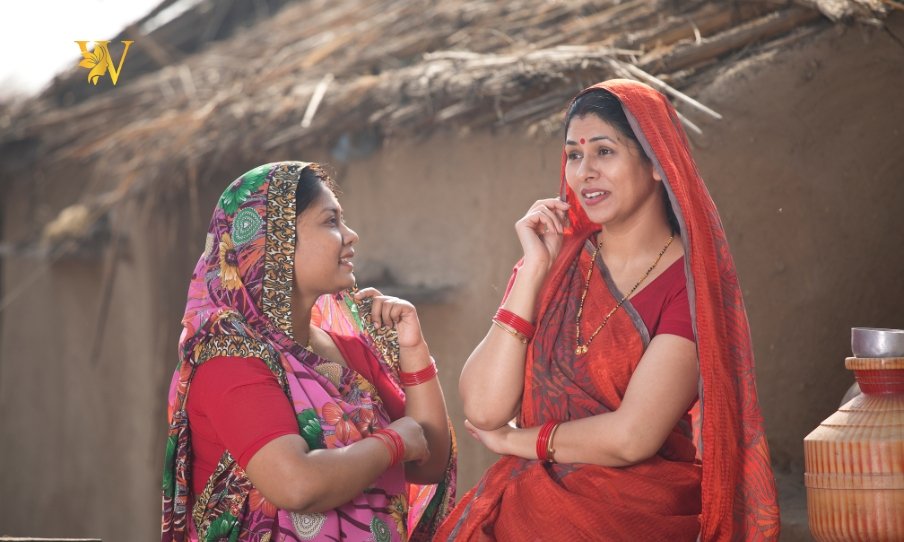
Millions of rural Indian women are rewriting their life stories through the Self-Help Group initiative known as Lakhpati Didis. These women are not only improving their household incomes. They are reshaping their communities and emerging as a recognised political force.
A Lakhpati Didi is a self-help group woman whose family income exceeds Rs 1 lakh annually. That event marks the transition from subsistence living to sustainable income generation. The term along with the government backing was highlighted in 2023 when the Prime Minister set a target to create millions of Lakhpati Didis across India’s rural landscape.
The change is also palpable locally. The story of Shashibala Sonkar from Mirzapur, Uttar Pradesh is only one among many to show the phenomenon. She became a member of a self-help group five years ago only to make a little extra money and get access to small loans. Her income gradually increased and eventually it went beyond Rs 1 lakh, thus making her eligible as a Lakhpati Didi. At present she operates a successful local business and is actively engaged in a leadership role in her community.
The Lakhpati Didi project is predicated on India’s extensive self-help group network which has been around for quite a long time. These groups normally consist of 10-20 women who save together, take loans collectively, and invest in projects that generate income. Through the Deendayal Antyodaya Yojana-National Rural Livelihoods Mission, the emphasis has been changed from mere welfare to entrepreneurial spirit, financial literacy, and market access.
The figures are quite impressive. Almost 9 to 10 crore women are members of more than 90 lakh self-help groups all over the country. These networks are the instrument for financial inclusion, easy access to credit without the need for collateral, and routes to enterprises in such fields as agriculture, dairy, manufacturing, services, and small-scale industries. By organizing themselves in this way women are able to not only broaden their income sources but also build economic resilience that will last them a long time.
The support of the Government has been one of the major factors. Current policies feature revolving funds that are used as seed money for groups, community investment funds, and bank linkages that make loan procedures easy. These steps make it possible for women from rural areas who have been traditionally left out of formal financing to remove obstacles that hinder their access to the latter.
Indisputably, the first step towards social influence takes the form of economic empowerment. Lakhpati Didis are turning into the most prominent agents of change in their communities. They take the lead in savings groups, hold training sessions, and disseminate the information regarding nutrition, health, and education. As their purchasing power grows they constitute a vital voter demographic. Political parties are now figuring out that these women have the power to influence local governance and direct electoral outcomes.
The movement transcends economics. It concerns agency and voice as well. When they become financially confident, women also assume leadership roles in local decision-making bodies. An increasing number of them coming into community forums is indicative of the bigger change happening in rural India. It is a movement grounded in grassroots activism, collective responsibility, and a conscious shift toward economic independence.
Read More News: Click Here